
Featured drama
Rain Man
When car dealer Charlie Babbitt learns that his estranged father has died, he returns home to Cincinnati, where he discovers that he has a savant older brother named Raymond and that his father's $3 million fortune is being left to the…
Story and cast
CineStream
150 dramas in English, 1970 to 2026, chosen for the whole household.
Currents
Drawn from real lives
True stories
See the list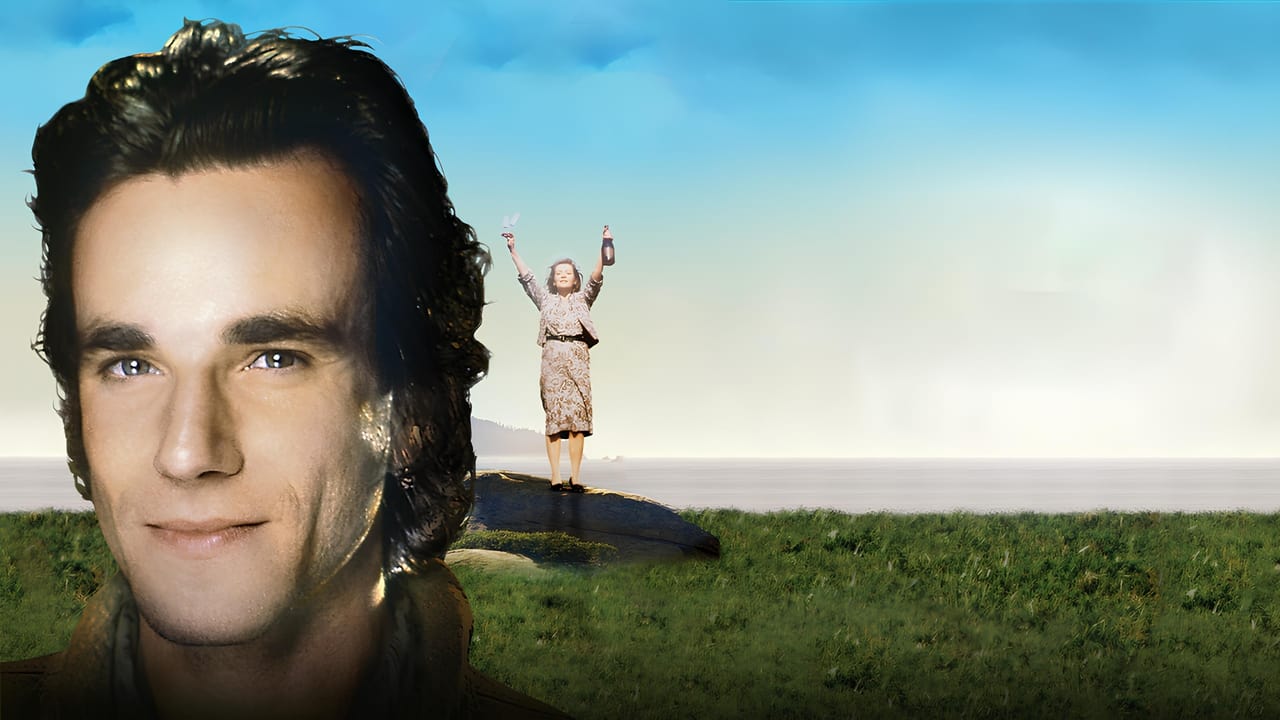

Parents, children, brothers and sisters
Family
See the list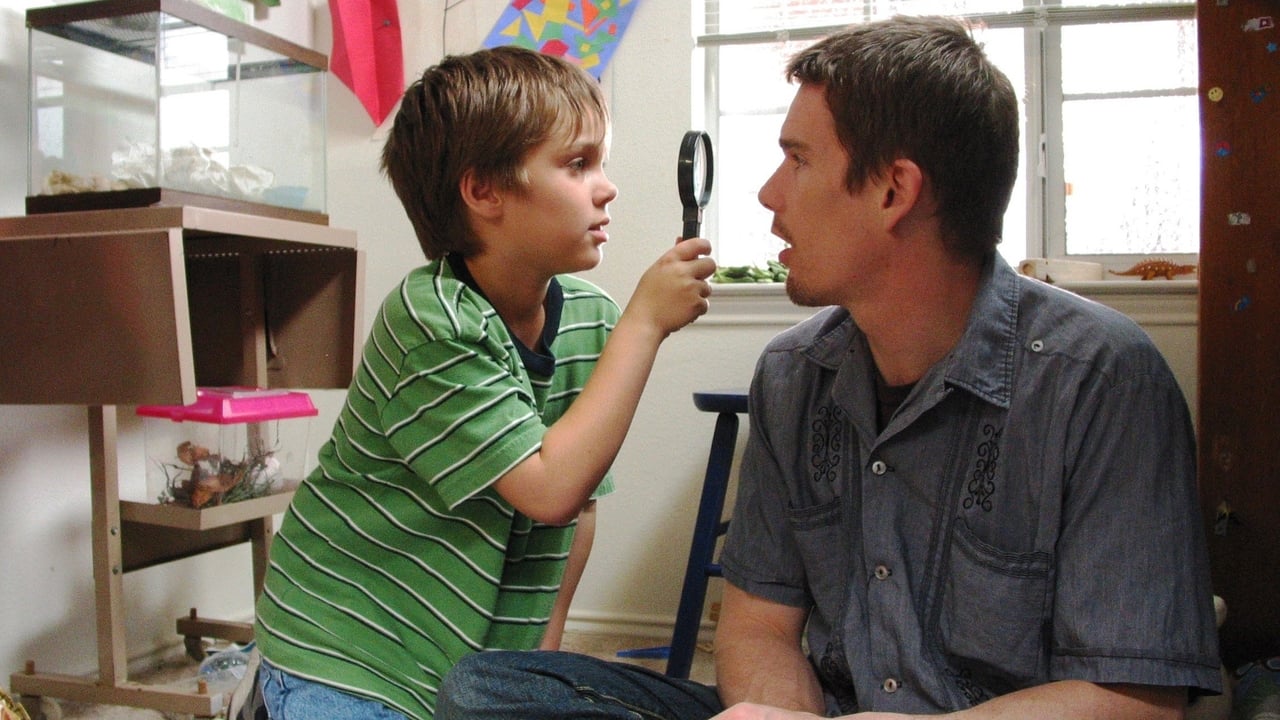

Teachers, coaches and the people who believed
School and mentors
See the list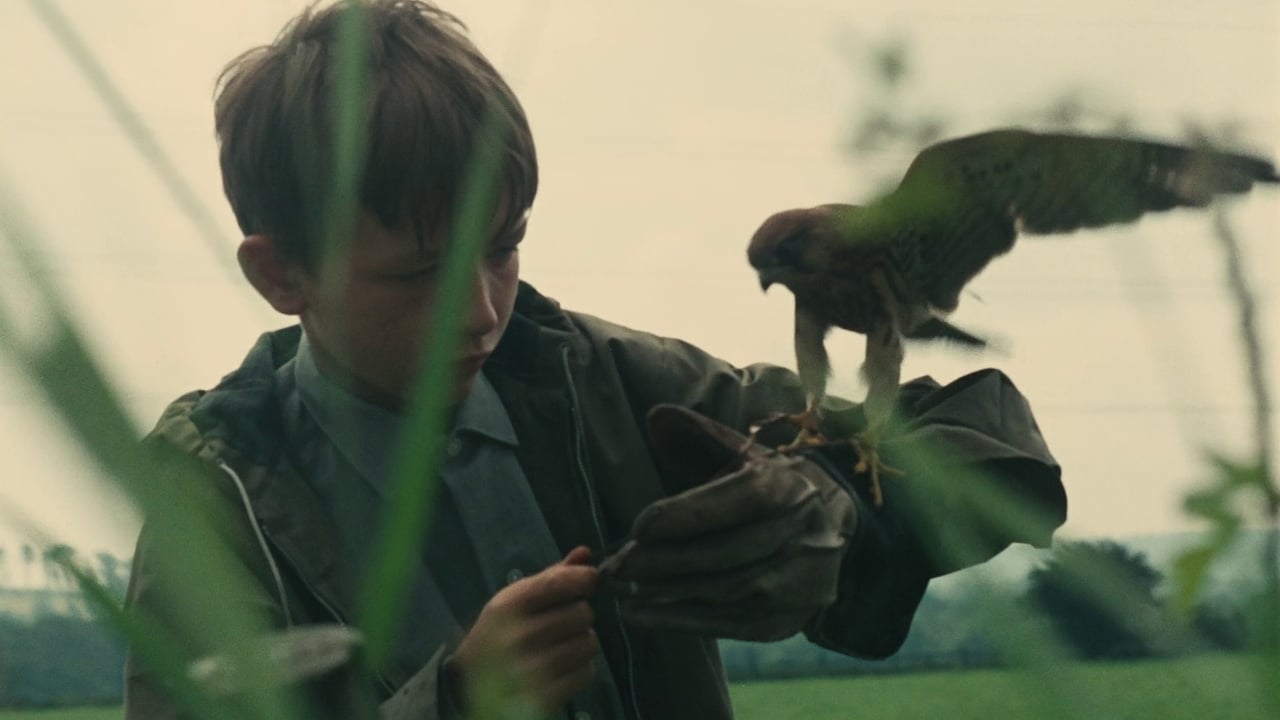
From the United Kingdom and Ireland
British and Irish
See the list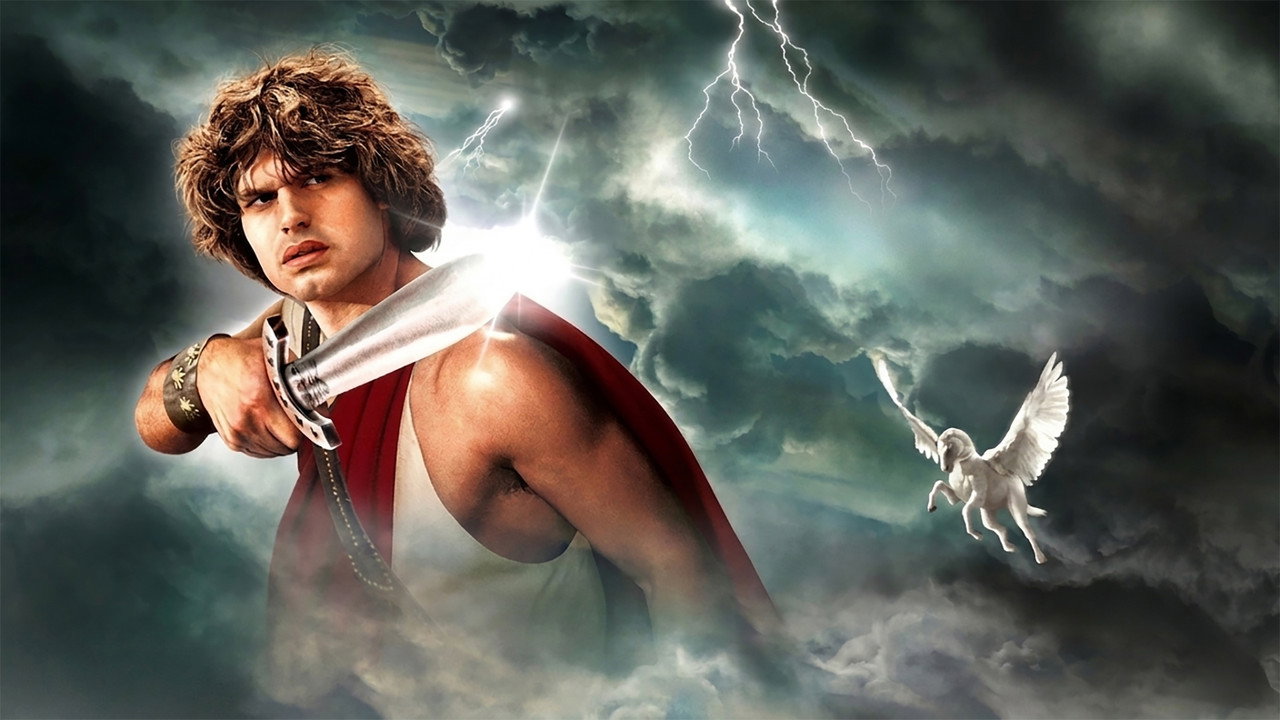

Musicians, painters, writers and actors
Music and the arts
See the list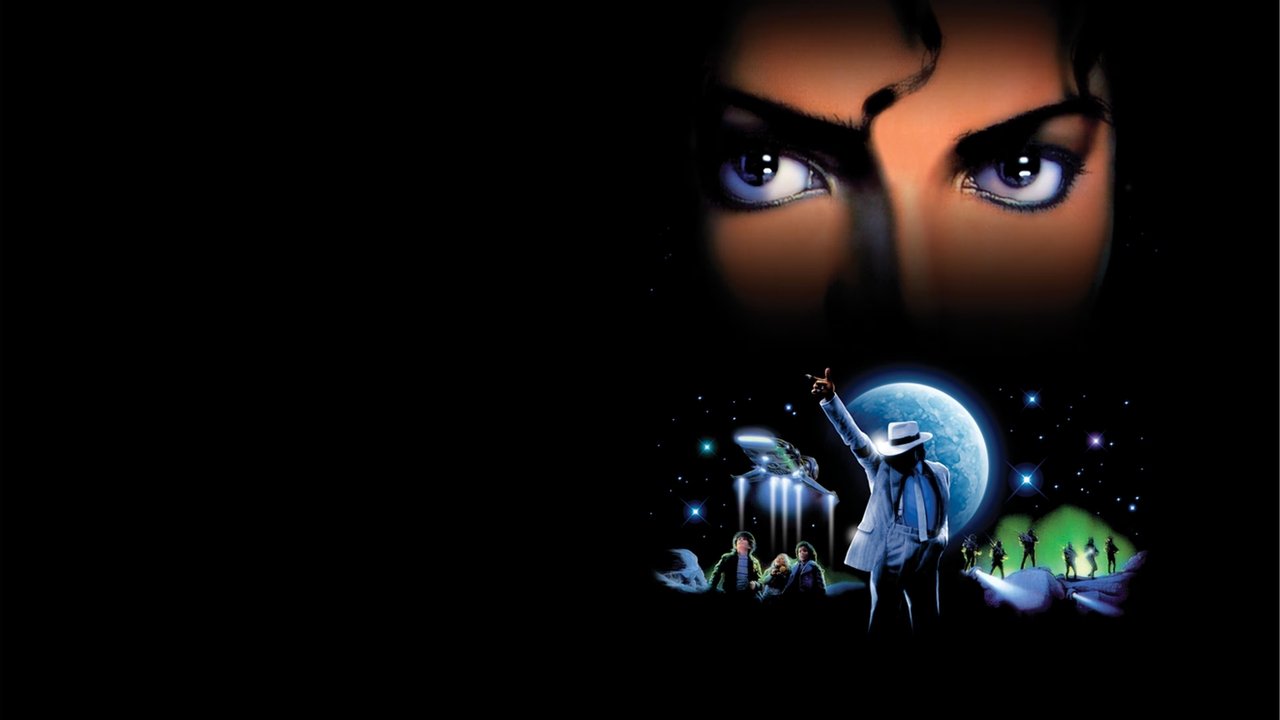

The CineStream guide to human dramas
CineStream: human dramas and true stories, from Rain Man, Boyhood and My Left Foot to Secrets & Lies, The Rider and Driveways
The drama is the oldest kind of film and the hardest to describe. It has neither chases nor jokes to recommend it, only people: two brothers crossing America in an old Buick, a boy filmed for twelve years as he grows up, an Irish writer who taught himself to paint with his left foot, a shy eight-year-old and the widower next door. When such a film works, the audience comes away feeling that it has met somebody. CineStream is a guide to 150 dramas of this kind, made in English between 1970 and 2026. Each has its own page, its story, its director and cast, and a Watch now button that leads to the official services carrying it in your country.
The catalogue has been chosen for the whole household. Every summary was read by hand, and the selection keeps to true stories, family dramas, films about teachers and mentors, sport, music and quiet studies of character. Crime films, films of the battlefield, horror and stories for adults only were left out. Dramas deal with difficulty by their nature, and several here concern illness, poverty or loss; they are included because they treat those things with care, and the guide says which they are.
What follows takes the films as currents in one stream: true stories first, then families, schools, working lives, the arts, sport, and the films of Britain and Ireland. Three are proposed for a first evening, and the closing sections explain the lists, search and My List. All film titles are links, and the text is in English for viewers anywhere.
What CineStream offers
CineStream is a viewing guide. Each of its 150 film pages carries a poster, a still, the story in a paragraph, the year, the running time, the director and the principal cast. Beneath them sits one button, Watch now, which opens JustWatch for the country you select and shows the subscription, rental, purchase and free services that carry the film there. The guide itself holds pages of information, and the playing of every film happens on those official services.
Sixty-four of the films are stories of family and fifty-nine of growing up. Forty-eight are set in working lives, forty-one concern age and memory, thirty-six are about music and the arts, thirty-one about schools and mentors, and twenty-eight about sport or dance. Fifty-two are true stories, thirty-four are journeys, thirty-six are set in earlier times, and fourteen are adventures or fables. Thirty-seven of the films are British or Irish, and forty-seven were made or set elsewhere in the world.
By period, twenty films date from before 1990, seventeen from the nineties, twenty-nine from the 2000s, forty-eight from the 2010s and thirty-six from 2020 onwards. The home page opens with one featured drama, its title in large serif type beside a picture. A panel headed Currents lists the themes with the number of films in each, and rows of four wide stills follow for true stories, family, school and mentors, British and Irish films, and music and the arts.
A first evening
Three films make good first choices. Rain Man, made by Barry Levinson in 1988, won four Academy Awards including best picture. Charlie Babbitt, a fast-talking dealer in imported cars, learns on his father's death that the estate has gone to an older brother whose existence is news to him. Raymond, played by Dustin Hoffman, is autistic, has lived for decades in an institution, and has precise views about underwear, pancakes and television schedules. Charlie takes him out, meaning to bargain, and since Raymond refuses to fly they drive from Cincinnati to Los Angeles. Somewhere on the road, almost unawares, the younger brother becomes a better man. Tom Cruise is very good, and Hoffman is unforgettable.
Driveways, from 2019, is much smaller and just as fine. Kathy, a single mother, arrives in a small town with her eight-year-old son Cody to clear out the house of a sister who has died. Cody is shy and has few friends. On the porch next door sits Del, a widower and veteran in his eighties, who has little to do but wait for his lift to the bingo hall. A friendship grows between the boy and the old man over a summer of lawn mowing and birthday cake. Brian Dennehy, in one of his last parts, gives Del a gentleness that stays in the mind, and the film runs under an hour and a half.
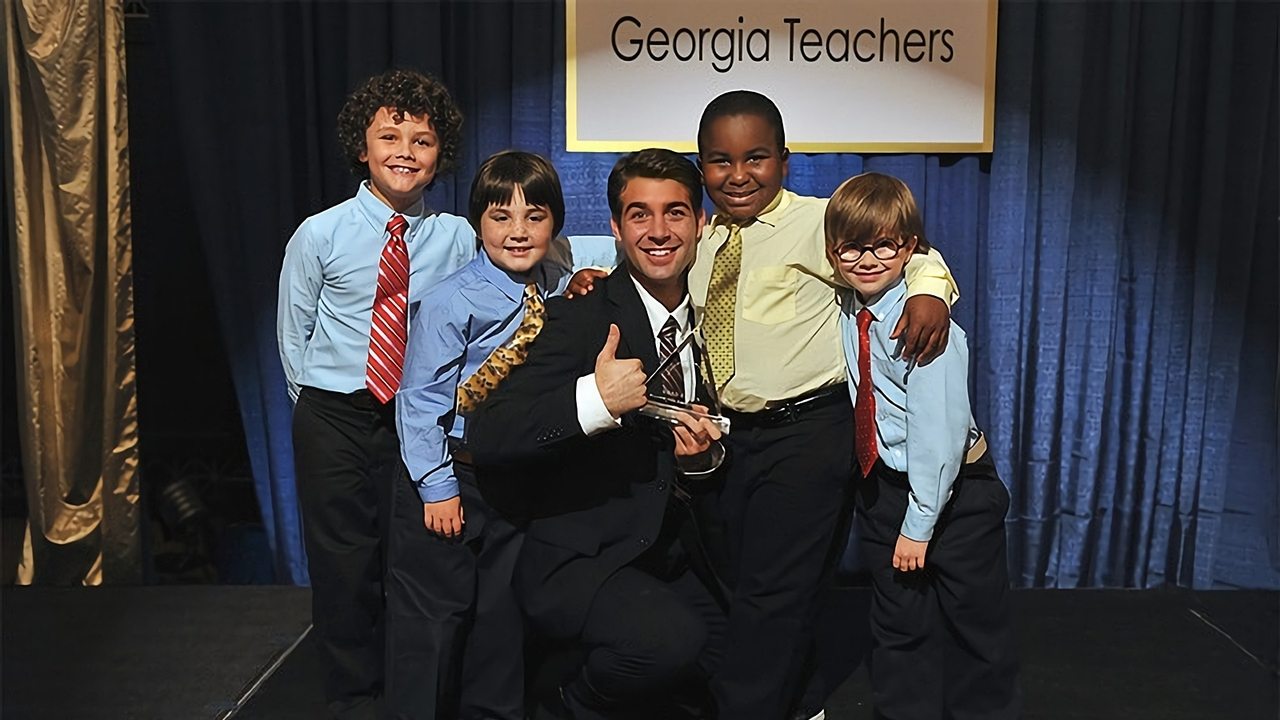
Front of the Class, from 2008, is a true story and the second highest scored film here, at 8.0. Brad Cohen has Tourette syndrome, which makes him bark and twitch when he least wishes to, and as a boy he was sent out of classrooms and once out of a cinema. A headmaster who took the trouble to explain the condition to the whole school changed his life, and Brad decided to become the teacher he had needed. Twenty-four schools turn him down. The film follows him to the twenty-fifth, and to a class of seven-year-olds who accept him at once.
True stories
Fifty-two films are drawn from real lives, and the true stories guide arranges them. My Left Foot: The Story of Christy Brown, made by Jim Sheridan in 1989, is the best known. Christy Brown was born in Dublin in 1932, one of a bricklayer's large family, with cerebral palsy so severe that he was thought to understand little. At five he picked up a piece of chalk with his left foot and wrote a word on the floor. He went on to paint and to write a famous autobiography. Daniel Day-Lewis and Brenda Fricker, as Christy and his indomitable mother, both won Academy Awards, and the film is as funny and unsentimental as its subject.
An Angel at My Table, made by Jane Campion in 1990, tells the life of the New Zealand writer Janet Frame in three parts: a shy, red-haired child in a railway worker's family, a student wrongly diagnosed and kept for years in hospital, and at last a published author finding her feet in Europe. It was made for television and is long, and it is one of the great films about a writer's inner life. Magic Beyond Words: The J.K. Rowling Story is a lighter account of how a famous series of children's books came to be written, and Nowhere Boy follows John Lennon through his teens in Liverpool, between the aunt who raised him and the mother who taught him the banjo.
Enterprise and invention make good stories. JOY, from 2024, is about the nurse, the scientist and the surgeon who worked for a decade in a small English hospital to make possible the birth of the first child conceived in a laboratory; Bill Nighy, James Norton and Thomasin McKenzie play the three. Widow Clicquot tells of the young Frenchwoman who took over her late husband's vineyards and built a great champagne house. Swiped follows a young woman into the technology business, Percy a Canadian farmer who took a seed company to his country's highest court, and The Burial a funeral director and his flamboyant lawyer, played by Tommy Lee Jones and Jamie Foxx.
True stories of teams and classrooms are gathered further on. Among the rest, An Adventure in Space and Time dramatises the making of a famous British science fiction series in 1963, with David Bradley as its first leading actor. Köln 75 is about the eighteen-year-old who organised a celebrated piano concert in Cologne. The Gathering Storm shows Winston and Clementine Churchill at home in the thirties, with Albert Finney and Vanessa Redgrave. Minamata follows a photographer to a Japanese fishing town, Saint Judy an immigration lawyer in Los Angeles, and Oranges and Sunshine a social worker from Nottingham who reunited families separated for decades.
Family
Sixty-four films are stories of family, and the family guide groups them. Boyhood, made by Richard Linklater and released in 2014, is unlike any other film. It was shot for a few days each year over twelve years with the same actors, so that Mason, six at the start, is eighteen at the end, and his sister, his divorced parents and the houses they live in all age before the audience's eyes. Little happens that would count as plot: moves, birthdays, a camping trip, a first job. The effect, over nearly three hours, is of watching time itself, and of remembering one's own.
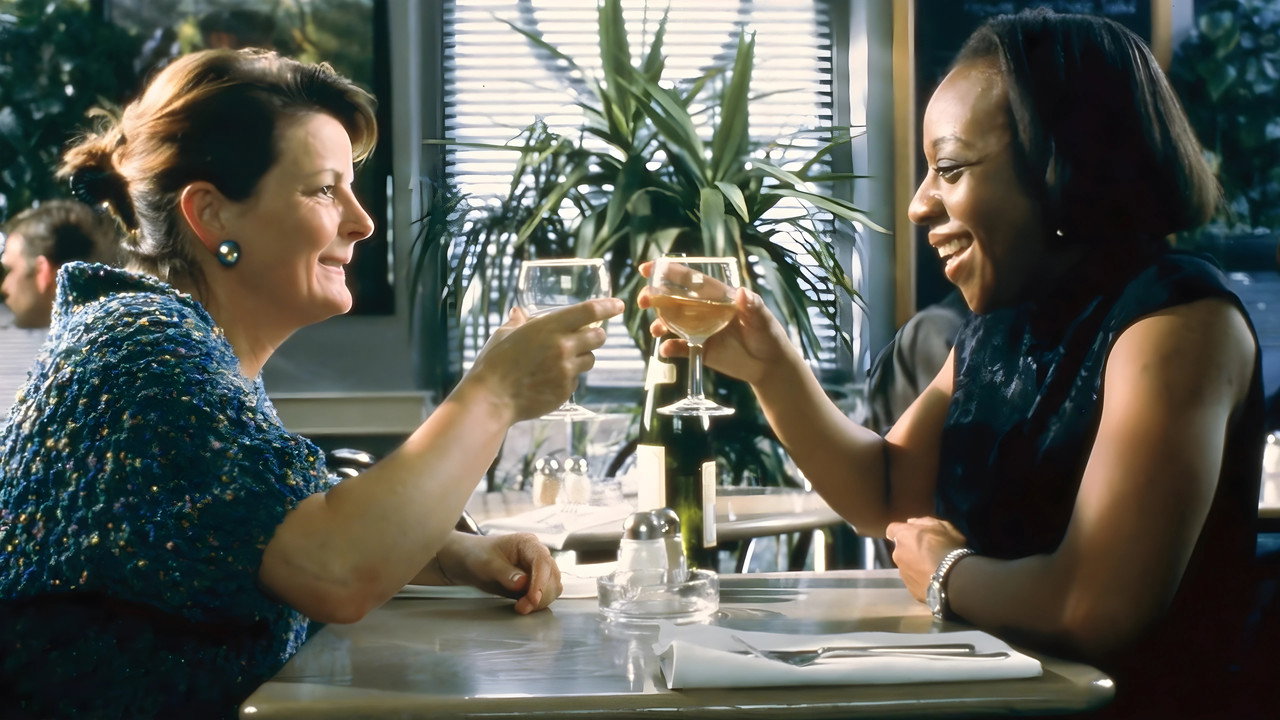
You Can Count on Me, from 2000, is about a brother and sister in a small town in New York State, orphaned as children. She has stayed, works at the bank and is raising a son; he drifts back into town with little money and an easy charm that her boy adores. Laura Linney and Mark Ruffalo play them with a rightness that made both their names. Secrets & Lies, Mike Leigh's film of 1996, begins when a young optician in London traces her birth mother and finds a nervous factory worker with a family of her own; the scene of their first meeting in a cafe, filmed in one take, is among the best in British cinema. It won the highest prize at Cannes.
Families across generations and oceans are the subject of several films. Avalon, by Barry Levinson, follows a family of immigrants in Baltimore from 1914 to the age of television, and watches the big family table shrink as the years go by. Liberty Heights returns to the same city in the fifties. The Namesake, by Mira Nair, is about a couple from Calcutta and the American-born son they name after a Russian writer; Tigertail and Riceboy Sleeps tell related stories of parents from Taiwan and Korea. A Home of Our Own has Kathy Bates as a widow who drives her six children north until they find a house they can afford, which turns out to be half built.
Two classics of the American South belong here. Sounder, from 1972, is about a family of sharecroppers in Louisiana in the thirties, seen through the eyes of the eldest son, who walks miles to visit his father and discovers a school on the way. Places in the Heart, from 1984, with Sally Field as a Texas widow who must bring in a cotton crop to keep her farm, is set in the same years. Both are films about dignity, and both can be watched with older children. More recent are What Maisie Knew, which sees a parental quarrel from the height of a six-year-old, and Grace Is Gone, in which a father takes his two daughters on a long drive while he works out how to tell them some very hard news.
School and mentors
Thirty-one films are about teachers, coaches and the young people they believed in, and the school and mentors guide lists them. Conrack, from 1974, is based on the experience of the novelist Pat Conroy, who as a young man taught for a year on an island off South Carolina where the children had been taught very little; Jon Voight plays him with enormous energy, wheeling a record player into class to introduce Beethoven. The Penguin Lessons, from 2025, has Steve Coogan as an English teacher at a boys' school in Buenos Aires in 1976 who rescues a penguin from an oil slick and finds that it refuses to leave him. In Imagine, a teacher at a clinic for the blind in Lisbon shows his pupils how to find their way by sound.
The pupils have their own films. In Spare Parts, four students at a high school in Arizona, guided by a substitute teacher, build an underwater robot from plumbing parts and enter it against the best universities in the country. In Phoebe in Wonderland, a nine-year-old who struggles to follow rules finds her place in a school production of Alice. The Color of Friendship is about two girls, one from California and one from South Africa, thrown together in 1977 by an exchange programme. All Together Now concerns a cheerful, talented teenager who is keeping her family's troubles secret from her school.
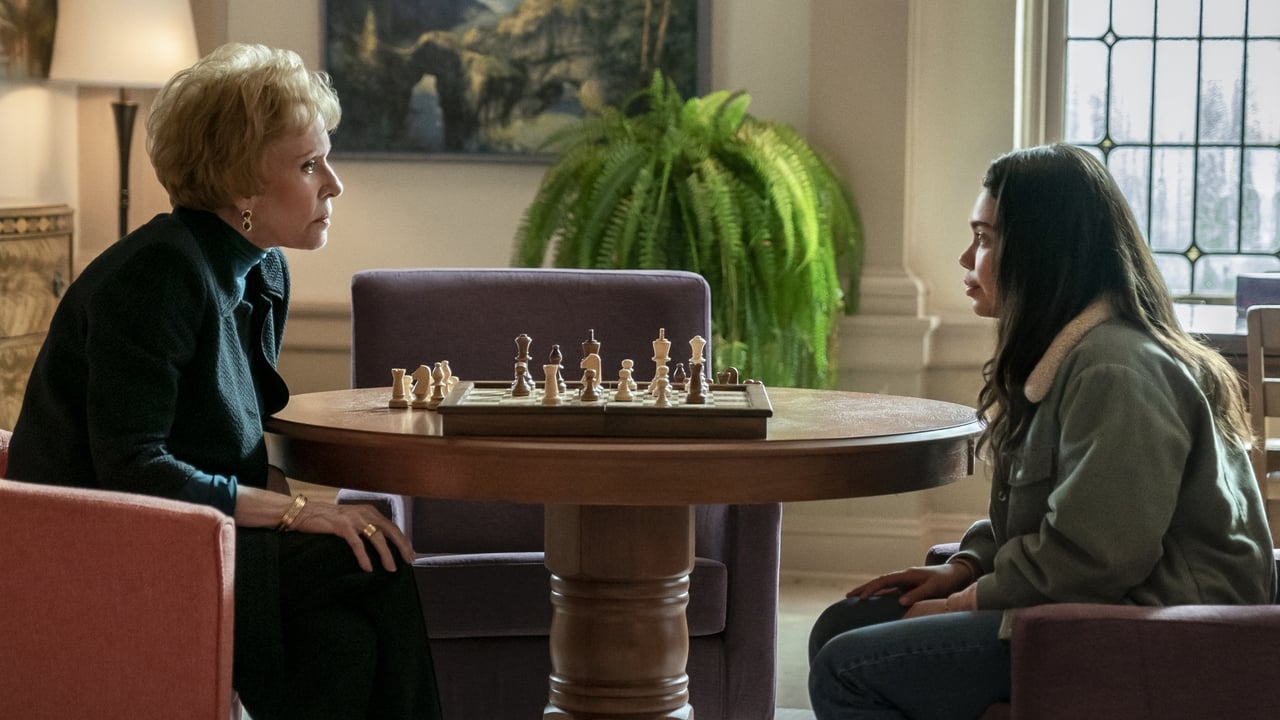
Coaches are the mentors of American cinema. Life of a King has Cuba Gooding Jr. as a man who starts a chess club for teenagers in Washington. Hurricane Season follows a basketball coach who assembles a team from several flooded schools in the year after a great storm. Pride is about the founder of a swimming team in Philadelphia in the seventies, Forever Strong about a rugby coach in Utah, and Shooting Stars, from 2023, about a boy from Akron and the friends he grew up playing with, before the world knew his name. The Hammer, Triumph, 23 Blast and If I Had Wings are each about a young athlete who is deaf, has cerebral palsy or is blind, and each is based on a real person.
Working lives
Forty-eight films are set in working lives, and the working lives guide introduces them. The British director Ken Loach has spent sixty years filming working people, and five of his films are here. I, Daniel Blake, which won the highest prize at Cannes in 2016, is about a carpenter in Newcastle, told by his doctor to rest after a heart attack and told by the benefits office to look for work, and about the young mother he befriends in the queue. It is angry, funny and full of fellow feeling, and scores 7.7. Sorry We Missed You follows a delivery driver and a care worker through a few exhausting weeks; The Navigators a gang of railway maintenance men; and The Old Oak the landlord of the last pub in a mining village.
American films in the same spirit are quieter still. In Man Push Cart, a man who was once a singer in Lahore hauls a coffee and bagel cart through the Manhattan streets before dawn. In Chop Shop, a twelve-year-old works in a car repair yard in the shadow of a baseball stadium, saving for a food van. East Side Sushi is the happier story of a Mexican-American cook in Oakland who sets her heart on becoming a sushi chef. Wendy and Lucy, with Michelle Williams, is about a young woman on her way to a job in Alaska and the dog she loses in a small town in Oregon. Bait, filmed in black and white on a wind-up camera, is about a Cornish fisherman in a village given over to holiday lets.
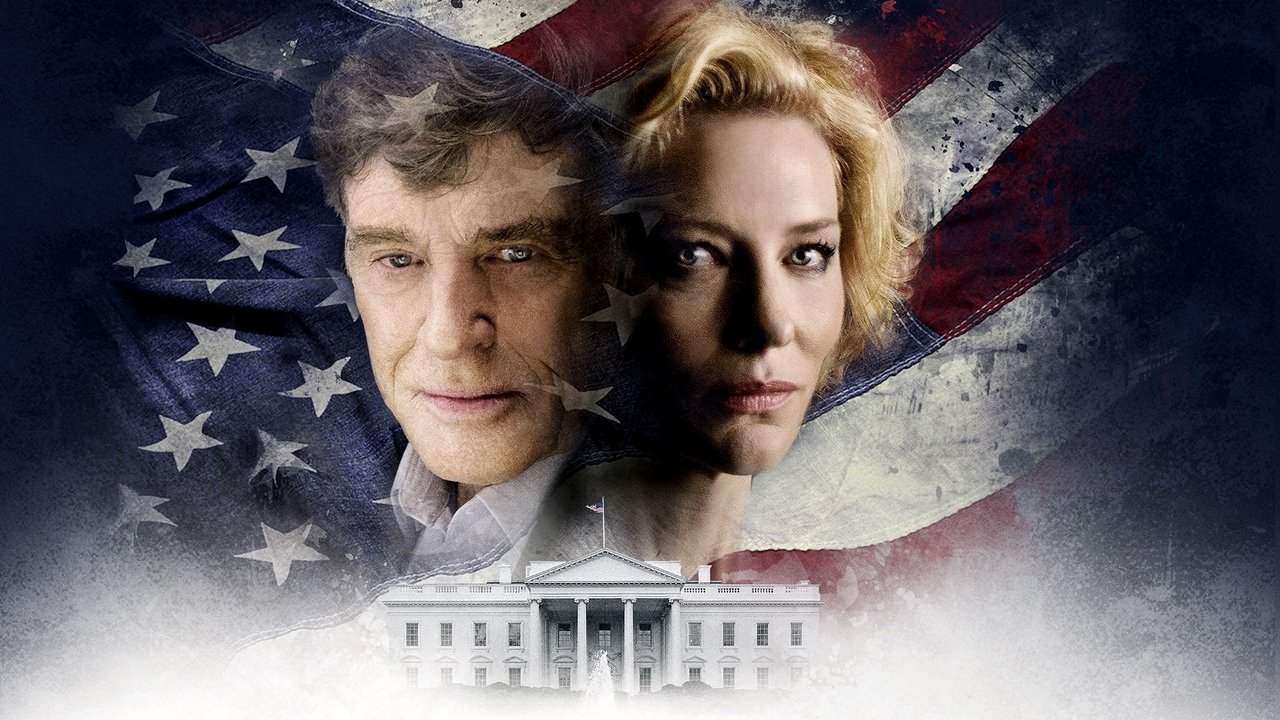
Professions provide other stories. The Doctor gives William Hurt a confident surgeon who becomes a patient and learns what his own hospital feels like from the bed. Truth is set in a television newsroom, with Cate Blanchett and Robert Redford. Herself is about a mother in Dublin who decides to build her own small house, with the help of friends she is surprised to find she has, and Still Mine about a New Brunswick farmer of eighty-seven who does the same for his wife and runs into the building regulations. The Public spends a freezing night inside a city library.
Music and the arts
Thirty-six films are about artists, and the music and the arts guide picks through them. The theatre is unusually well served. The Dresser, from 1983, is set backstage during an air raid in wartime England, as an old actor-manager struggles to go on as King Lear and his devoted dresser coaxes, bullies and flatters him towards the stage; Albert Finney and Tom Courtenay are magnificent. Vanya on 42nd Street films a group of New York actors running through a play by Chekhov in a crumbling theatre, in their own clothes, and makes it more alive than most costume productions. Cradle Will Rock recreates the staging of a musical in New York in 1937.
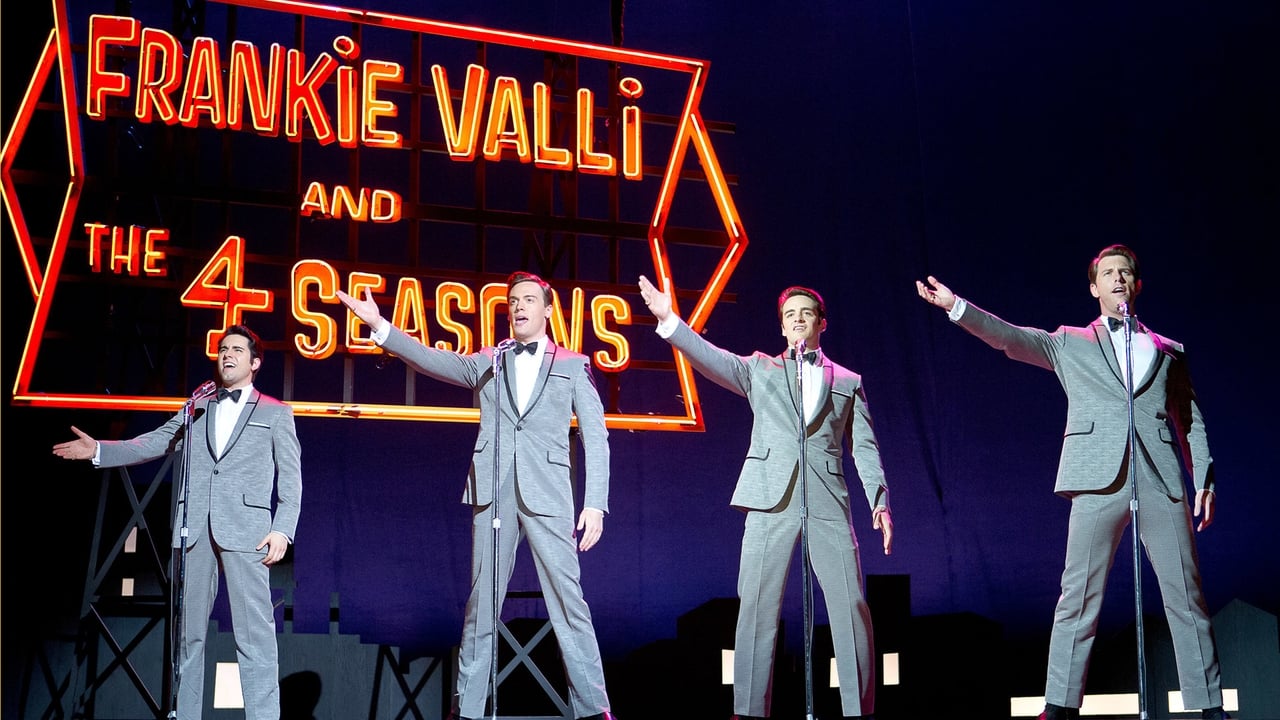
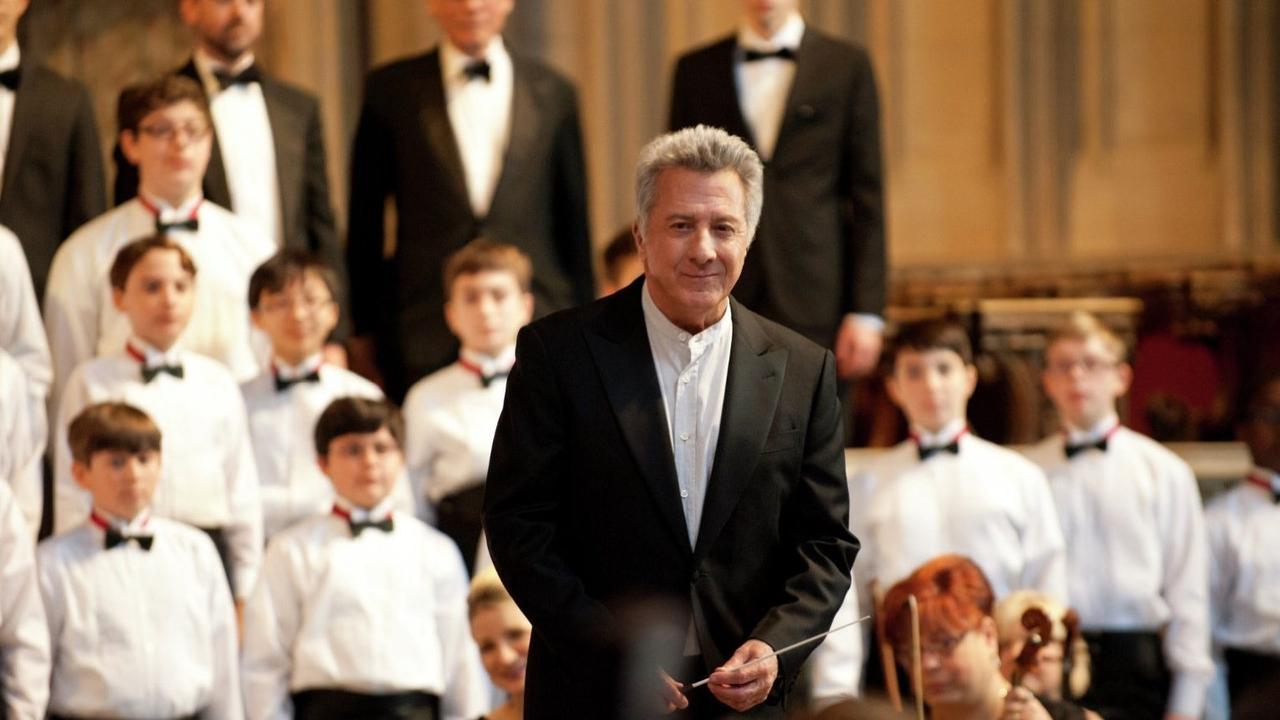
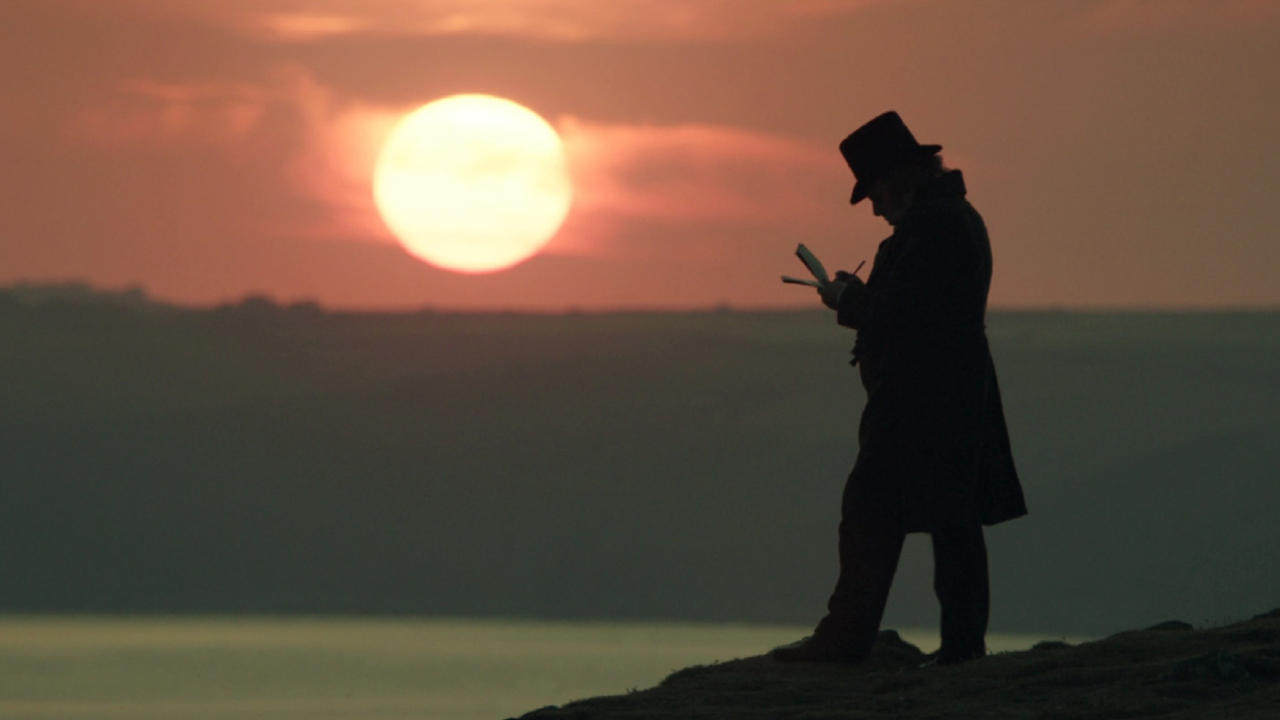
Music runs from choirboys to rock. Boychoir sends a troubled eleven-year-old with a remarkable voice to a choir school under a demanding master played by Dustin Hoffman. Jersey Boys, directed by Clint Eastwood, is the story of four young men from New Jersey who became a famous singing group. Good Vibrations is about a record shop in Belfast, and Moonwalker is a fantasy built around the songs of Michael Jackson. The American follows a young dancer from Texas to the school of the Bolshoi Ballet. Mr. Turner is Mike Leigh's portrait of the painter in his last twenty-five years, with Timothy Spall grunting and sketching his way around the coast, and Museum Hours is a film about looking at pictures, set among the galleries of Vienna.
Unlikely friendships
If these dramas have a favourite plot, it is the friendship that nobody expected. Passion Fish, made by John Sayles in 1992, is a fine example. May-Alice, a television actress, is paralysed in an accident and goes home to her family's old house in the Louisiana bayou, where she drives away one nurse after another with her temper. Then Chantelle arrives from Chicago, who needs the job too badly to be driven away. The two women, played by Mary McDonnell and Alfre Woodard, circle each other for weeks before either admits to liking the other, and the film takes its time with the cooking, the music and the slow brown water outside.
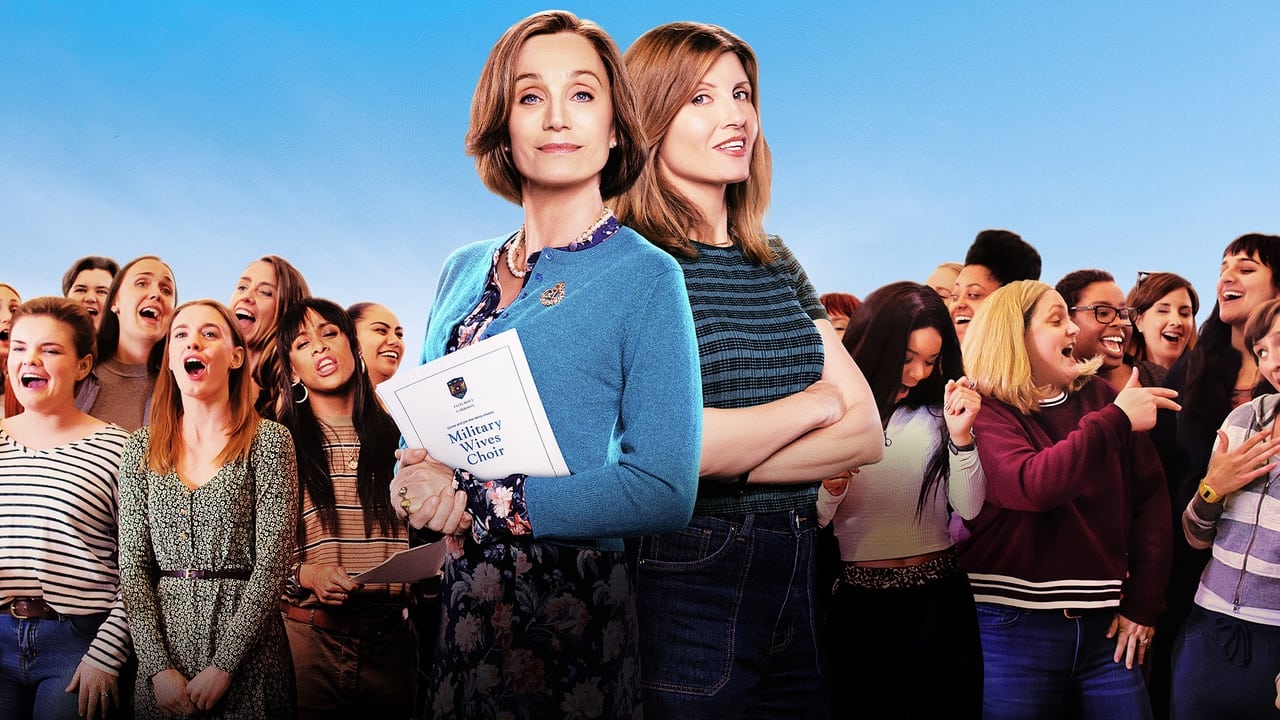
The pattern recurs in many forms. In Gigi & Nate, a young man who has lost the use of his limbs is paired with a capuchin monkey trained to help him. In The Mustang, a man serving a long sentence in Nevada joins a programme that gentles wild horses, and learns patience from an animal as angry as himself. In Kumiko, the Treasure Hunter, a lonely office worker from Tokyo travels to snowy Minnesota in search of something she saw in a film. The Chosen, from 1981, is about two boys in Brooklyn in the forties, from very different households, who meet when one hits the other with a baseball. Military Wives gathers women on an English army base into a choir, with Kristin Scott Thomas and Sharon Horgan as its ill-matched leaders.
Friendship can also be remembered. Return of the Secaucus Seven, the first film John Sayles made, on a tiny budget in 1979, brings seven college friends together for a weekend ten years on and simply lets them talk, cook and play basketball. Chinese Coffee, directed by and starring Al Pacino, is one long night's argument between two old friends in Greenwich Village, a failed novelist and a failed photographer. And A Love Song for Bobby Long sets a young woman down in a New Orleans house with two bookish drifters who knew her mother.
Directors to follow
Several directors have more than one film in the catalogue, and following them is a good way to explore. Ken Loach has five, made across more than fifty years, and they share a method: real locations, actors who often come from the places being filmed, and scripts that the cast see only a day at a time. Mike Leigh, who works through long improvisation, has Secrets & Lies and Mr. Turner. Barry Levinson has Rain Man and two of his Baltimore films. John Sayles, the most independent of American directors, has two as well, and Chloé Zhao's two early films show the patient eye that later brought her the highest honours.
Peter Weir made Fearless in 1993, with Jeff Bridges as an architect who walks away from an air accident convinced that he has left fear behind, and Rosie Perez as a fellow passenger who helps bring him back to earth. Richard Linklater's Boyhood stands alone. Jane Campion, Mira Nair, Jim Sheridan, Kelly Reichardt and Ramin Bahrani are each represented by a characteristic work, and the debuts are worth noticing: Karyn Kusama with Girlfight, Andrew Ahn's second feature Driveways, and India Donaldson with Good One.
Performances
A drama stands or falls by its acting, and the catalogue holds some of the most admired performances of the past half century. Dustin Hoffman in Rain Man and Daniel Day-Lewis in the Christy Brown film both won Academy Awards for parts that required years of study. Geraldine Page, Sally Field and Brenda Fricker won theirs for mothers and grandmothers of great spirit. Brenda Blethyn and Marianne Jean-Baptiste in Secrets & Lies, Laura Linney in You Can Count on Me, and Timothy Spall as the painter Turner were all nominated or honoured at the great festivals.
Just as striking are the people who had hardly acted before: David Bradley, the fourteen-year-old who played Billy in Kes; the family in The Rider; Kevin Hooks in Sounder; the seven women of The Company of Strangers. Children and animals are said to be difficult on a film set, yet these dramas are full of both, and some of the most affecting scenes belong to a boy and a kestrel, a girl and a dog, or a penguin on a school terrace. Every film page lists its principal cast.
Recent films
Thirty-six films date from 2020 or later, and they show that the humane drama is thriving. Streaming services have given a home to modest true stories such as Shooting Stars, Swiped and JOY. Independent film-makers continue to find new corners of ordinary life: a hiking trail in Good One, a quiet suburb of Vancouver in Riceboy Sleeps, a wine cellar in Reims in Widow Clicquot. Clika, from 2026, the highest scored film in the catalogue at 8.2, follows a young musician from a small town whose song is suddenly heard everywhere. Violet is about a film executive learning to ignore the anxious voice in her head, and Mum's List about a mother in Somerset who writes down, for her husband and two sons, everything she wants them to remember.
Why watch dramas
It is fair to ask why a household should choose a drama on a tired evening when lighter things are on offer. One answer is that a good drama is restful in its own way. It moves at the speed of life, asks the audience only to pay attention, and repays that attention with the company of people worth knowing. Another is that dramas are the films families talk about afterwards. A child who has seen Kes or Sounder has questions; a grandparent who has seen The Trip to Bountiful has stories. The best of these films open a conversation and then step aside.
They are also, very often, hopeful. The teacher gets his classroom, the widow brings in her crop, the two brothers reach the coast. Where the ending is sadder, as in a few of the films of Ken Loach, the sadness is honest and the people are treated with respect. That combination of truthfulness and regard for ordinary lives is what the 150 films of CineStream have in common, and it is the reason they were chosen.
A practical note for those new to the form. Dramas reward being watched whole, in one sitting, with the telephone in another room; their effects build slowly and a break can undo them. The shorter ones, Driveways or Bait at under ninety minutes, are good places to begin. The longest, Boyhood and An Angel at My Table, divide naturally into chapters and can be spread over two evenings. And the short films ask for less than half an hour while giving a complete experience, which makes them the easiest of all to try. Whichever way a household starts, the Currents panel on the home page shows at a glance where each film belongs, so that a good evening can be followed by another of the same kind.
Sport and dance
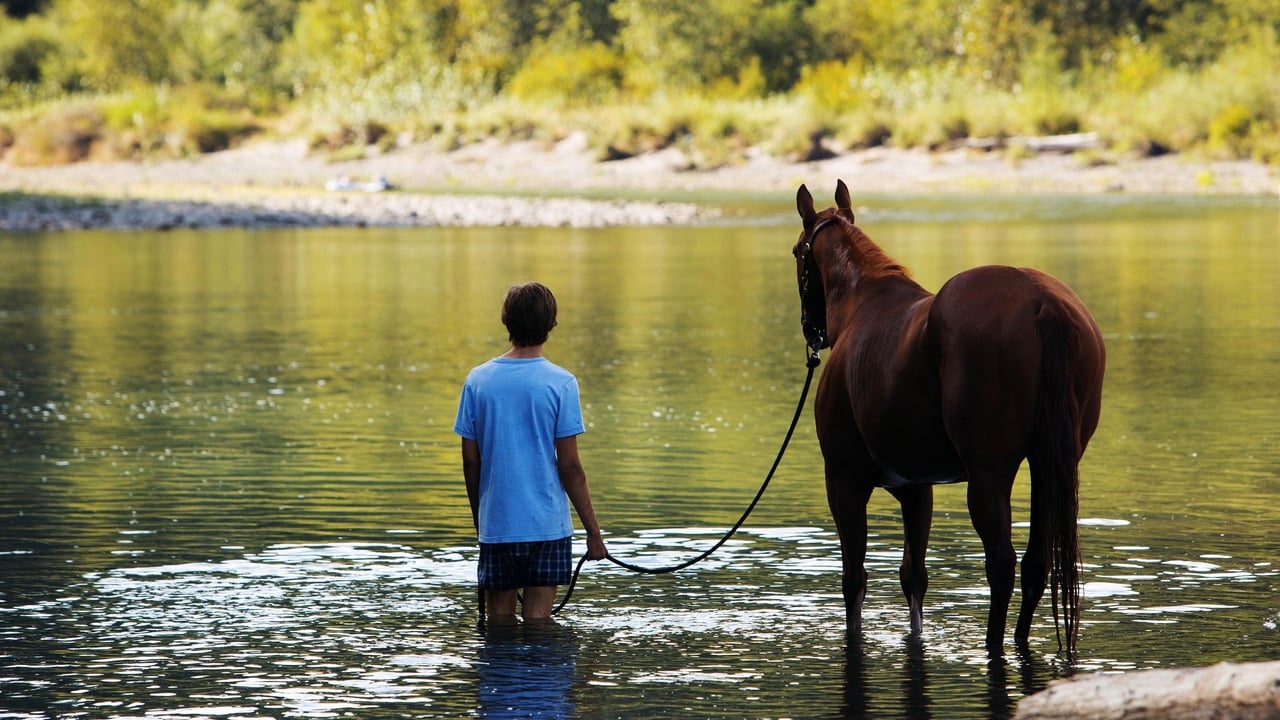
Twenty-eight films are about sport or dance, and the sport and dance guide sorts them. The finest is The Rider, made by Chloé Zhao in 2017 on a reservation in South Dakota. Brady, a young rodeo rider and horse trainer, has been thrown and badly hurt, and the doctors have told him that he must give up riding. The film follows him through the months that follow, working in a supermarket, visiting a friend in hospital, and gentling an unbroken colt in one long, astonishing scene. Brady Jandreau plays a version of himself, and his own father and sister play his family. It is a film about what a person is when the thing he does best is taken away.
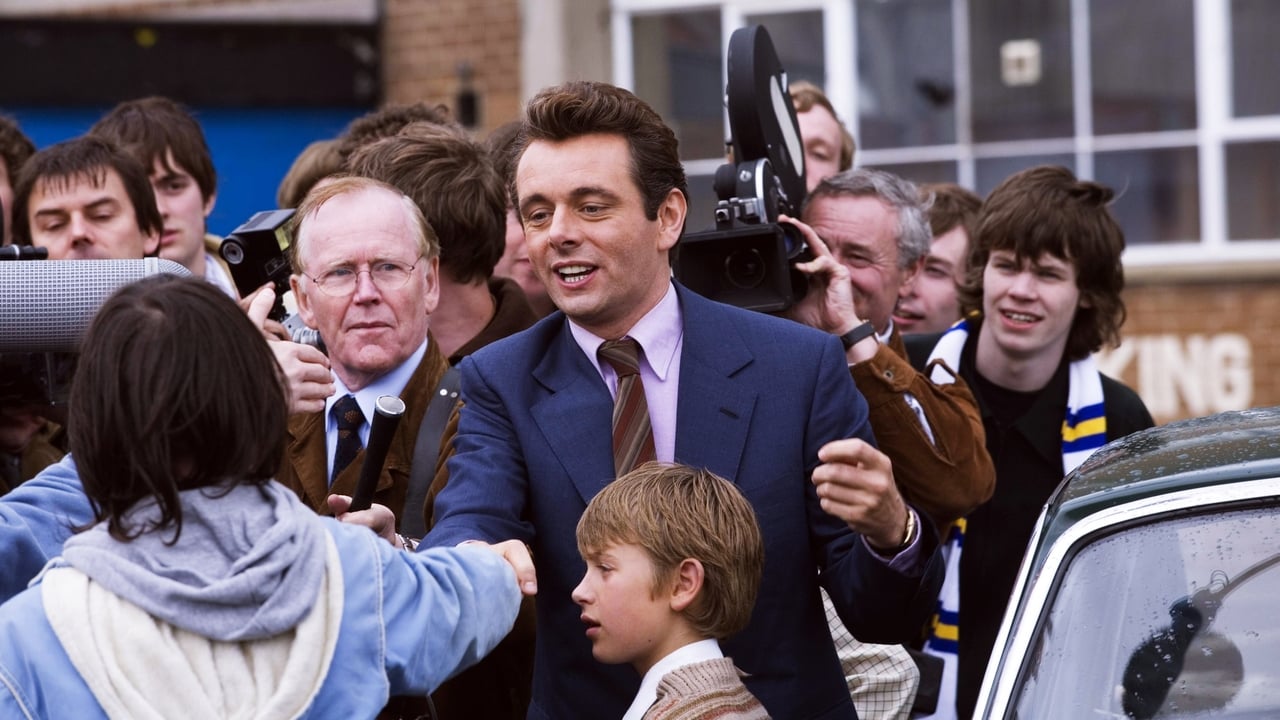
Horses appear again in Lean on Pete, in which a fifteen-year-old sets off across the American West with a tired racehorse he longs to save from the sale ring, and in Walk. Ride. Rodeo. and The Last Rodeo. British football has The Damned United, with Michael Sheen as the brilliant, boastful manager Brian Clough during his forty-four days in charge of a team that loathed him. Rowing has Heart of Champions, rugby Forever Strong, American football My All American, and boxing Girlfight, which made a star of Michelle Rodriguez, and The Champ, a famous tear-jerker about a former prizefighter and his small son.
Dance has four films: Dance Academy: The Movie, which follows the graduates of an Australian ballet school into the profession; The American; Desert Dancer, the true story of a young man who formed a dance company in Tehran; and A Time for Dancing, about two friends at a performing arts school.
British and Irish films
Thirty-seven films are British or Irish, and the British and Irish guide introduces them. The earliest is Kes, made by Ken Loach in 1969 and released the next year. Billy Casper, fifteen, small for his age and expected to follow his brother down the mine, finds a young kestrel on a farm wall and trains it from a library book. For a few weeks he is expert at something, and in one lovely scene a teacher lets him explain falconry to the class. The film was made with local children in a Yorkshire mining town, and it has been loved for more than fifty years. It suits older children, who will recognise the school at once.
Irish films make a strong group. Besides My Left Foot: The Story of Christy Brown there are Inside I'm Dancing, a comedy-drama about two young men with disabilities who move out of a care home into a flat of their own; The Dead, John Huston's last film, from the story by James Joyce, which is set at a Dublin dinner party one snowy night in 1904 and is all conversation, song and memory; Jimmy's Hall, about a village dance hall in the thirties; and And When Did You Last See Your Father?, with Jim Broadbent and Colin Firth as father and son.
British television and theatre feed the cinema directly. The Winslow Boy, from Terence Rattigan's play, is about a family that risks its savings and its peace to clear a thirteen-year-old cadet accused of taking a postal order. The Long Day Closes, by Terence Davies, is a memory of a Liverpool childhood in the fifties, told in songs, hymns and the light on a carpet. After Love is set in Dover and Calais, where a widow discovers that her husband's life had a second chapter across the water; Joanna Scanlan won the British Academy's award for it. Help, set in a Liverpool care home in 2020, and Rocks, about a London schoolgirl looking after her little brother, show how good recent British drama can be.
Later life
Forty-one films concern age and memory, and the later life guide presents them. The Trip to Bountiful, from 1985, won Geraldine Page an Academy Award. Carrie Watts, living with her son and daughter-in-law in a cramped flat in Houston in the forties, wants one thing before she dies: to see the small town where she grew up. One morning she slips out with her pension cheque and boards a bus. The Whales of August, from 1987, gave Lillian Gish and Bette Davis, both past eighty, two sisters spending a summer in a house on the coast of Maine, and is a lesson in how to hold a screen by doing very little.
Eleanor the Great, from 2025, the first film directed by Scarlett Johansson, has June Squibb as a woman of ninety-four who moves back to New York and makes an unlikely friend in a student of nineteen. That Evening Sun gives Hal Holbrook a Tennessee farmer who walks out of a retirement home and back to his land. In The Company of Strangers, a bus breaks down in the Quebec countryside and seven elderly women, played by amateurs using their own names and histories, spend two days in an abandoned farmhouse telling each other about their lives. The Life of Chuck, from a story by Stephen King, tells an ordinary accountant's life backwards, ending with a boy learning to dance in his grandmother's kitchen.
Growing up
Fifty-nine films are about the young, and the growing up guide arranges them by age. Films of childhood include My Childhood, Bill Douglas's spare, unforgettable memory of a Scottish mining village in 1945, and The Summer Book, from Tove Jansson's novel, in which a girl of nine and her grandmother, played by Glenn Close, spend a summer on a tiny island in the Gulf of Finland. A Boy Called Po is about a father and his autistic son, and The Silent Child, a short film that won an Academy Award, about a deaf four-year-old and the social worker who teaches her to sign.
For teenagers there are Good One, a quiet, exact film about a seventeen-year-old on a hiking trip with her father and his oldest friend; The Ultimate Playlist of Noise, in which a boy who loves music sets out to record his favourite sounds; and The Short History of the Long Road, about a girl who has grown up in a camper van. Songs My Brothers Taught Me, Chloé Zhao's first film, is set among brothers and sisters on the same reservation as The Rider.
Two more belong with the young. Broken Bridges brings a country singer home to Tennessee and to a teenage daughter he has yet to meet, and Hurricane Season, already mentioned among the coaches, is as much about its teenage players as about the man who trains them.
Around the world
Forty-seven films were made or set far from Hollywood, and the around the world guide maps them. Stories of arrival are the largest group. In Amreeka, a Palestinian mother and her teenage son move to a small town in Illinois, where she takes a job in a burger restaurant and keeps it secret from her family. In Good Day, Ramon, a young Mexican stranded in a German city in winter is taken under the wing of an elderly woman with whom he shares scarcely a word; it scores 7.9. Sugar follows a pitcher from the Dominican Republic to a baseball team in rural Iowa. Blue Bayou is about a tattoo artist in Louisiana, adopted from Korea as a child, who discovers that his papers were left incomplete.
Others are set wholly abroad. Reading Lolita in Tehran is about a professor who gathers seven of her students at home each week to read forbidden novels. Anuja, a short film, concerns a gifted nine-year-old in Delhi offered a chance of school. City of Joy takes an American doctor to a clinic in Calcutta, and Kundun, by Martin Scorsese, tells the early life of the fourteenth Dalai Lama in images of great beauty. Cry Freedom and Goodbye Bafana are both set in South Africa under apartheid, the first about a journalist and the second about a prison officer and the man he guarded for twenty years. They are serious films and suit older viewers.
Journeys
Thirty-four films are journeys, and the journeys guide lists them. The road film suits the drama, since travelling companions must talk. Besides Rain Man there is One Week, in which a young Canadian teacher buys a vintage motorcycle and rides from Toronto to the Pacific, stopping at every giant roadside monument on the way. The North, from 2025, follows two old friends on a six-hundred-kilometre walk through the Scottish Highlands. Mountains of the Moon recreates the expeditions of Burton and Speke in search of the source of the Nile, and The Physician sends a young Englishman of the eleventh century across the known world to study medicine in Persia.
Period pieces and fables
Thirty-six films are set in earlier times, and the period pieces guide orders them by era. Mary, Queen of Scots, from 1971, sets Vanessa Redgrave against Glenda Jackson's Elizabeth. Woman Walks Ahead is about a painter from New York who travelled to Dakota in 1890 to paint the portrait of Sitting Bull. Te Ata tells of a Chickasaw storyteller who performed her people's tales across America and at the White House. Moonlighting, from 1982, is about four Polish builders renovating a London house while great events unfold at home.
Fourteen films are adventures or fables. The Fall, made by Tarsem Singh over four years in more than twenty countries, is told by an injured stuntman in a Los Angeles hospital in the twenties to a little girl with a broken arm; as he invents an epic of five heroes, the film shows it as she imagines it, in deserts, palaces and blue cities, and the result is among the most beautiful things ever photographed. Clash of the Titans, from 1981, has the stop-motion creatures of Ray Harryhausen. Strawberry Mansion and Everything Beautiful Is Far Away are gentle, handmade science fiction, 12:01 PM is a short about a man who lives the same hour again and again, and Skywatch an eleven-minute adventure about two boys and a delivery drone.
Short films
Seven films run forty-five minutes or less, and they are among the best introductions to the catalogue. Stutterer, which won an Academy Award, is about a young typographer in London who is eloquent in his head and tongue-tied on the telephone. Feeling Through follows a teenager who helps a man who is both deaf and blind to find his bus late at night. The Neighbors' Window watches a tired couple with small children watch the carefree young pair in the flat opposite. Each tells a complete story in under twenty-five minutes.
Choosing well
A few habits help with choosing. For a mixed household, begin with the true stories about teachers and teams and with the gentler family films. For older children, Kes, Sounder, Spare Parts and Front of the Class are ideal. For the adults, the films of Ken Loach, Mike Leigh and Chloé Zhao, and the dramas of later life, reward an attentive evening. Several films deal with illness or bereavement, among them The Doctor, Mum's List, One Week and Grace Is Gone, and with poverty and injustice; each film page gives the story plainly so that viewers can judge. Top rated holds the thirty-seven films with a viewer score of 7.2 or more.
Search, lists and My List
The search field in the header answers as you type and sets aside filler words such as watch, online and free. The finding titles page describes the search, the lists and the A to Z, which sets out all 150 films in alphabetical order.
Twenty lists divide the catalogue. Thirteen follow theme: true stories, family, school and mentors, sport and dance, music and the arts, later life, growing up, working lives, British and Irish, around the world, journeys, period pieces, and adventure and fantasy. Five follow the decades, Top rated holds the highest scored films, and All titles holds everything. A film may sit in several lists at once, so The Rider is found under family, sport and dance, growing up and working lives alike.
My List is your saved row of films. Each film page carries an Add to My List button, and the My List pill in the header opens the row as a grid of posters. It is kept by the browser on this device only and reappears each time you come back, and the list page can write it to a file to restore elsewhere. The My List page gives the steps, and the how to watch page explains the path from a title to a service.
A film page on CineStream is laid out for a quick decision: the still and poster first, then the year, running time and genres, the story in a paragraph, the director and cast, and finally the country selector with its Watch now button. Fifteen countries are offered, and the choice is remembered for the next film.
Four evenings of drama
A simple plan shows the range of these dramas. On the first evening, a classic: Rain Man. On the second, a true story: My Left Foot: The Story of Christy Brown or Front of the Class. On the third, something small and perfect: Driveways, with Stutterer as the short before it. On the fourth, a film to talk about afterwards: Boyhood or I, Daniel Blake. After that the Currents panel on the home page will carry you on.
Questions and answers
Questions
What is CineStream?
CineStream is a guide to 150 English-language dramas from 1970 to 2026, each with its story, cast and a Watch now button to the official services that carry it.
Which film should I watch first?
Start with Rain Man, Driveways or Front of the Class. They show the road drama, the small character piece and the true story at their best.
Is the catalogue suitable for families?
Yes, with care. Every summary was read by hand, and crime films, horror and adult stories were left out. Some dramas deal with illness, loss or hardship and suit older viewers.
Are there true stories?
Yes. Fifty-two films are drawn from real lives, among them My Left Foot, An Angel at My Table, JOY and Spare Parts.
Are there short films?
Yes. Stutterer, Feeling Through, The Silent Child, The Neighbors' Window, Anuja, Skywatch and 12:01 PM all run under forty-five minutes.
Which directors appear most often?
Ken Loach has five films, and Mike Leigh, Barry Levinson, John Sayles and Chloe Zhao have two or more each.
How does My List work?
Press Add to My List on any film page. The list is kept by the browser on this device, and the list page can write it to a file.
Does CineStream host films or downloads?
CineStream is a guide only. Every Watch now button opens JustWatch, which lists the official streaming, rental and purchase services for your country.
